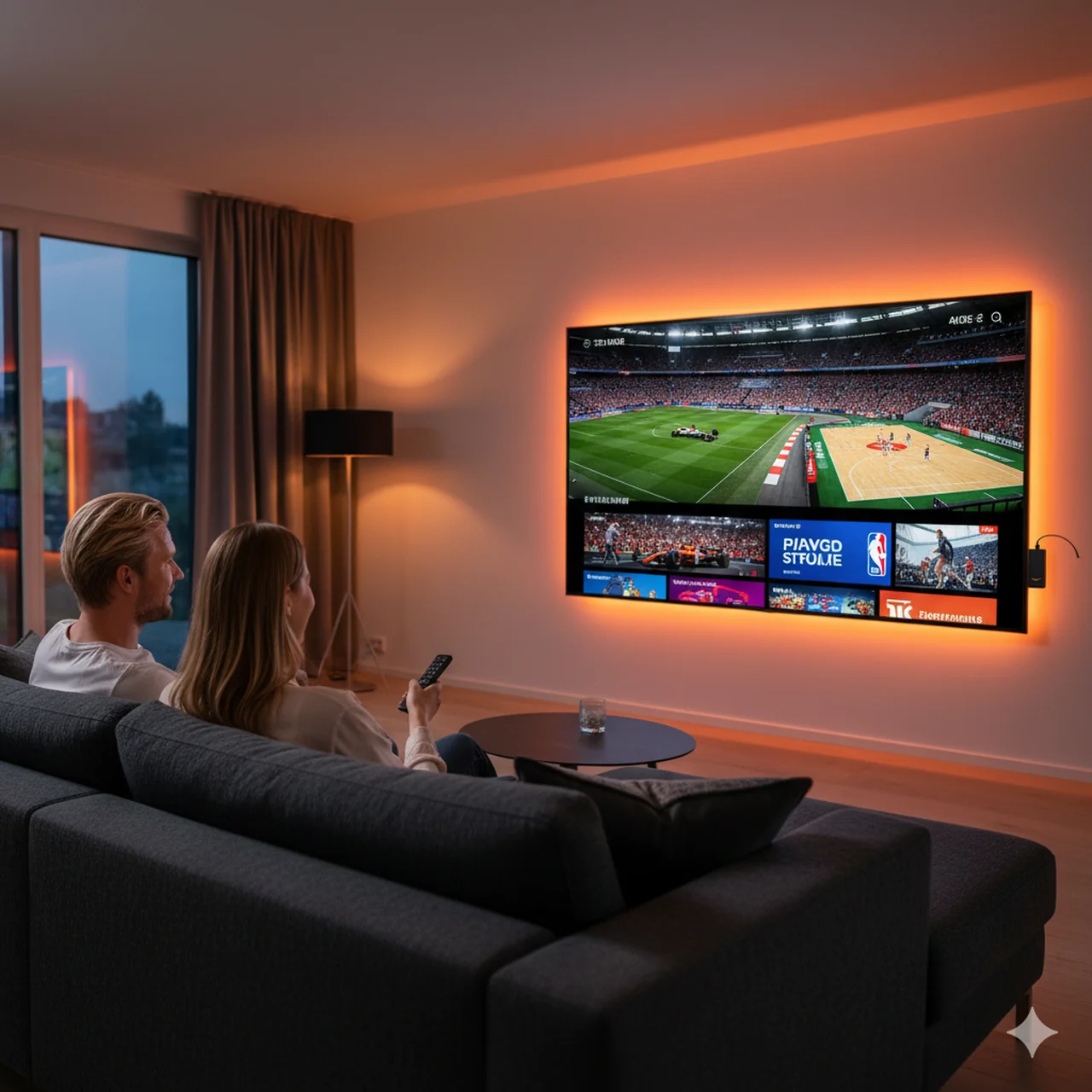
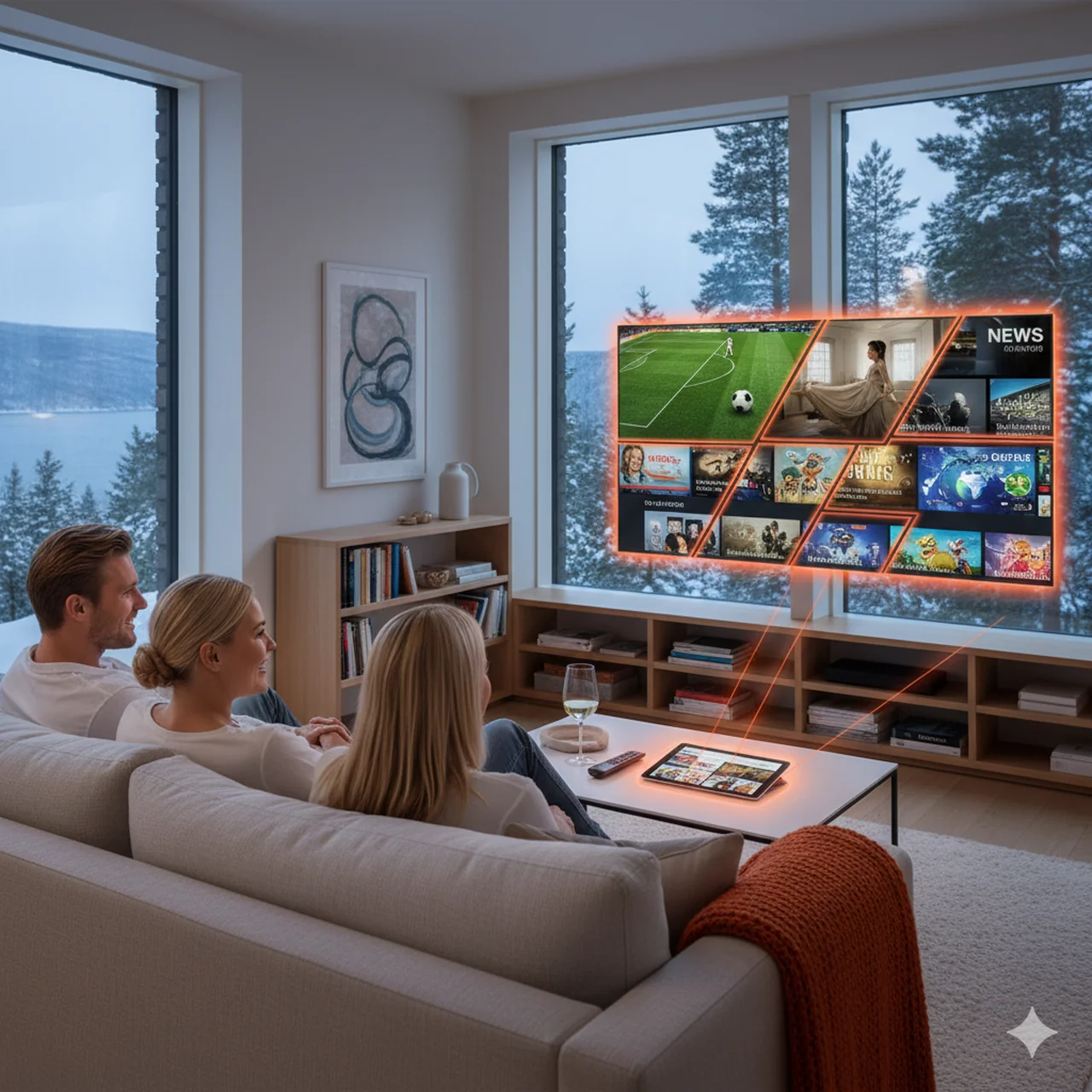
What Does Buffer-Free IPTV Mean for Your Viewing Experience?
Achieving truly buffer-free IPTV streaming is the hallmark of a premium service, signifying an uninterrupted and smooth viewing experience without frustrating pauses or pixelation. This superior performance is critical for enjoying live sports, high-definition movies, and global news without disruption. Vornic360 IPTV prioritizes this by employing a sophisticated technical infrastructure designed to eliminate buffering, even during peak usage times. Our proprietary load-balancing architecture, coupled with advanced compression techniques and robust Content Delivery Networks (CDNs), ensures that streams are delivered efficiently and consistently. For consumers, this translates directly to superior user satisfaction, high retention rates, and a reliable entertainment platform, distinguishing a top-tier provider from standard offerings that frequently suffer from latency and jitter.
Technical Architecture for Eliminating Buffering in IPTV Streams
The foundation of a buffer-free IPTV experience lies in cutting-edge technical architecture that proactively mitigates common streaming issues. Vornic360 IPTV utilizes H.265 HEVC (High-Efficiency Video Coding) for efficient compression, delivering 4K and 8K Ultra HD streams at 60 FPS while minimizing bandwidth consumption. This is complemented by HDR10+ optimization, ensuring superior visual fidelity. Our extensive network of redundant cloud edge nodes and Tier-4 data centers strategically located globally minimizes geographical latency, a common cause of buffering. Furthermore, dynamic bitrate balancing automatically adjusts stream quality based on the user's internet connection, preventing interruptions. Proprietary anti-freeze technology, including smart load balancing across our CDNs, actively counters ISP throttling and network congestion. These components work in concert to ensure seamless content delivery, adhering to stringent Quality of Service (QoS) protocols, and maintaining an impressive 99.9% server uptime SLA, a critical benchmark for dependable IPTV service providers worldwide.

Combating ISP Throttling and Network Congestion for Smooth Playback
A significant challenge to delivering buffer-free IPTV is the prevalent issue of Internet Service Provider (ISP) throttling and general network congestion. ISPs often limit bandwidth for specific types of traffic, including streaming, impacting video quality. Vornic360 IPTV employs advanced anti-throttling algorithms and a multi-CDN strategy designed to bypass these limitations. By intelligently routing traffic through various peering agreements and optimizing data packets, our system ensures that your connection remains robust and unhindered. During peak demand events, our load-balancing architecture dynamically distributes traffic across multiple servers and routes, preventing any single point of congestion from affecting playback quality. This proactive approach minimizes packet loss and jitter, crucial metrics for maintaining stream stability. These technical safeguards, combined with continuous network monitoring and optimization, ensure that subscribers enjoy consistently smooth, high-quality viewing experiences without being negatively affected by external network factors, setting a new industry standard for reliability in digital entertainment platforms.
Achieving Optimal Performance: Bandwidth, Device, and Settings for Buffer-Free IPTV

To fully realize a buffer-free IPTV experience, users must also optimize their local setup. A stable internet connection with sufficient bandwidth is paramount; a minimum of 25 Mbps USD is recommended for 4K streaming, while 50 Mbps USD or higher is ideal for multi-device households. While Vornic360 IPTV's technology mitigates many issues, ensuring your router is modern and correctly configured (e.g., using 5GHz Wi-Fi where possible) can significantly improve local network performance. Compatible streaming devices with adequate processing power and RAM also play a role; outdated hardware can struggle with high-bitrate 4K content. Utilizing a wired Ethernet connection instead of Wi-Fi can eliminate local wireless interference. By addressing these user-side factors in conjunction with Vornic360 IPTV's robust infrastructure, consumers can achieve an unparalleled, uninterrupted streaming journey, enjoying every detail of our 55,000+ live channels and 150,000+ VOD titles.