Selecting Your Optimal IPTV Player Device: A Comprehensive Guide
Selecting the optimal IPTV player device is crucial for unlocking a superior streaming experience. As internet Protocol Television (IPTV) continues to redefine entertainment consumption, choosing a compatible and high-performance device ensures buffer-free access to Vornic360 IPTV’s vast content library. This guide delves into the essential considerations, technical specifications, and setup procedures for various devices, empowering users to make informed decisions that align with their viewing preferences and technical requirements. A properly chosen device enhances visual clarity, audio fidelity, and overall user interaction, paving the way for immersive entertainment. With Vornic360 IPTV, you're not just getting content; you're getting an experience optimized for leading player technologies.
Technical Specifications & Compatibility Frameworks for IPTV Devices
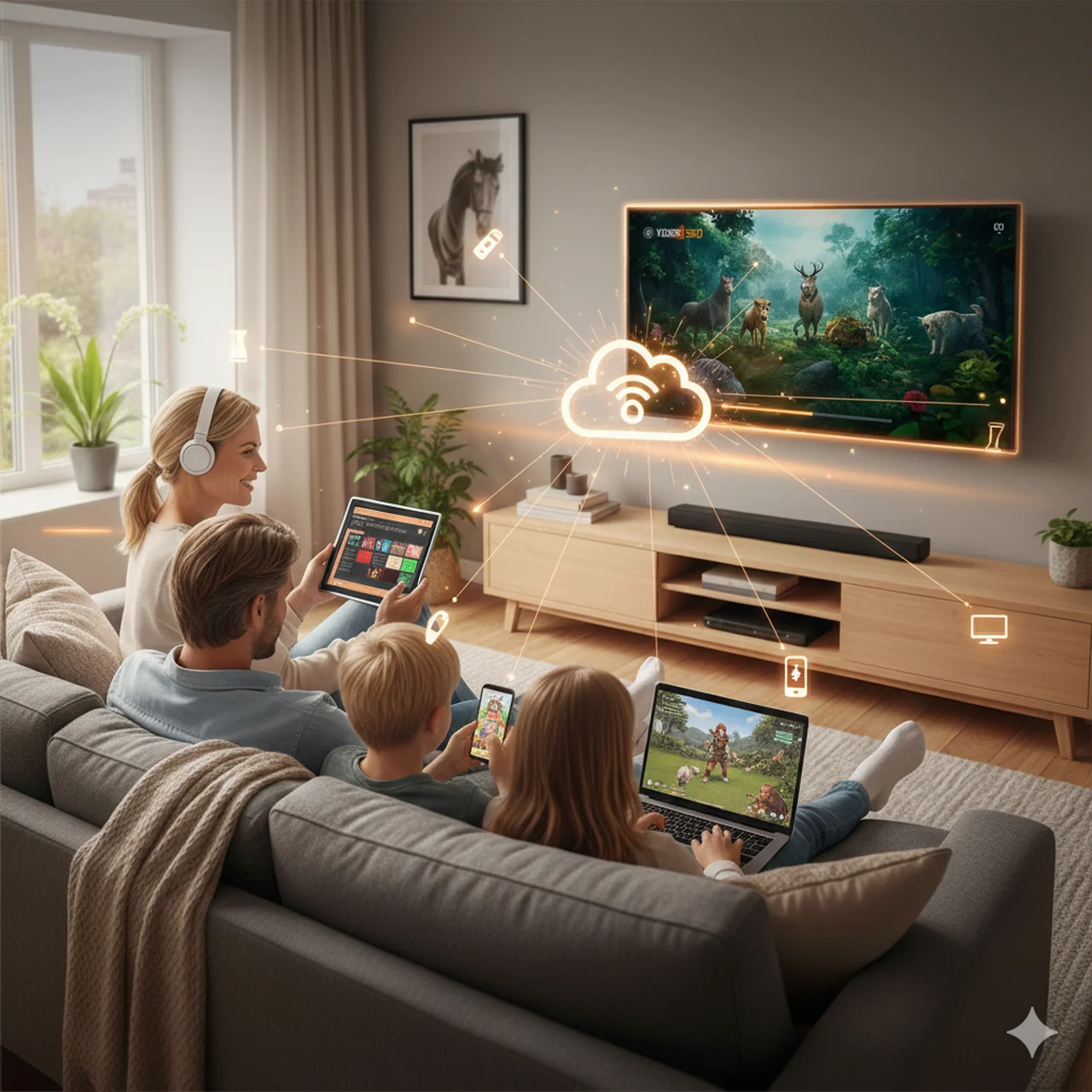
The landscape of IPTV player device options is diverse, ranging from dedicated streaming boxes to integrated smart TV functionalities. Key technical specifications include processor speed, RAM, internal storage, and support for modern codecs like H.265 HEVC for efficient 4K and 8K Ultra HD streaming, as recommended by industry bodies like the Consumer Technology Association (CTA). Devices must support common streaming protocols such as HTTP Live Streaming (HLS) and Dynamic Adaptive Streaming over HTTP (DASH). Compatibility with Vornic360 IPTV’s advanced Content Delivery Network (CDN) architecture, which utilizes redundant cloud edge nodes, ensures a 99.9% server uptime SLA. Furthermore, features like HDR10+ optimization are vital for vibrant color reproduction, aligning with broadcast standards and optimizing the dynamic range of video content. Users should verify a device's operating system (e.g., Android OS, tvOS, Roku OS) supports the necessary applications for Vornic360 IPTV, often requiring a minimum OS version for optimal performance and security updates. Adherence to Federal Communications Commission (FCC) guidelines for consumer electronics also plays a role in device quality and safety standards. A robust Wi-Fi module, preferably 802.11ac or Wi-Fi 6 (802.11ax), is essential for stable, high-bandwidth connections, minimizing latency and maximizing throughput for your IPTV player device.
Procedure for Setup, Configuration & Compliance with Vornic360 IPTV
Setting up your chosen IPTV player device for Vornic360 IPTV involves a straightforward procedure to ensure optimal performance and compliance. First, connect your device to your display via an HDMI cable (preferably HDMI 2.0 or higher for 4K/8K content) and to your network, ideally via an Ethernet cable for maximum stability, or a strong Wi-Fi connection. Power on the device and navigate to its application store (e.g., Google Play Store for Android TV, Apple App Store for Apple TV, Roku Channel Store for Roku devices). Search for and download the recommended Vornic360 IPTV application or a compatible third-party IPTV player (e.g., IPTV Smarters Pro, TiviMate). Once installed, open the application and enter your Vornic360 IPTV subscription credentials, typically provided upon service activation. Ensure your device's firmware and the IPTV application are regularly updated to benefit from performance enhancements, bug fixes, and security patches. For compliance, users must ensure their chosen device is legally acquired and used in accordance with the terms of service of both the device manufacturer and Vornic360 IPTV. Enabling parental controls and adult filters, available on Vornic360 IPTV, is a recommended configuration step for family-friendly viewing, ensuring responsible content access on your IPTV player device.
Cost Expectations & Practical Guidance for IPTV Device Procurement
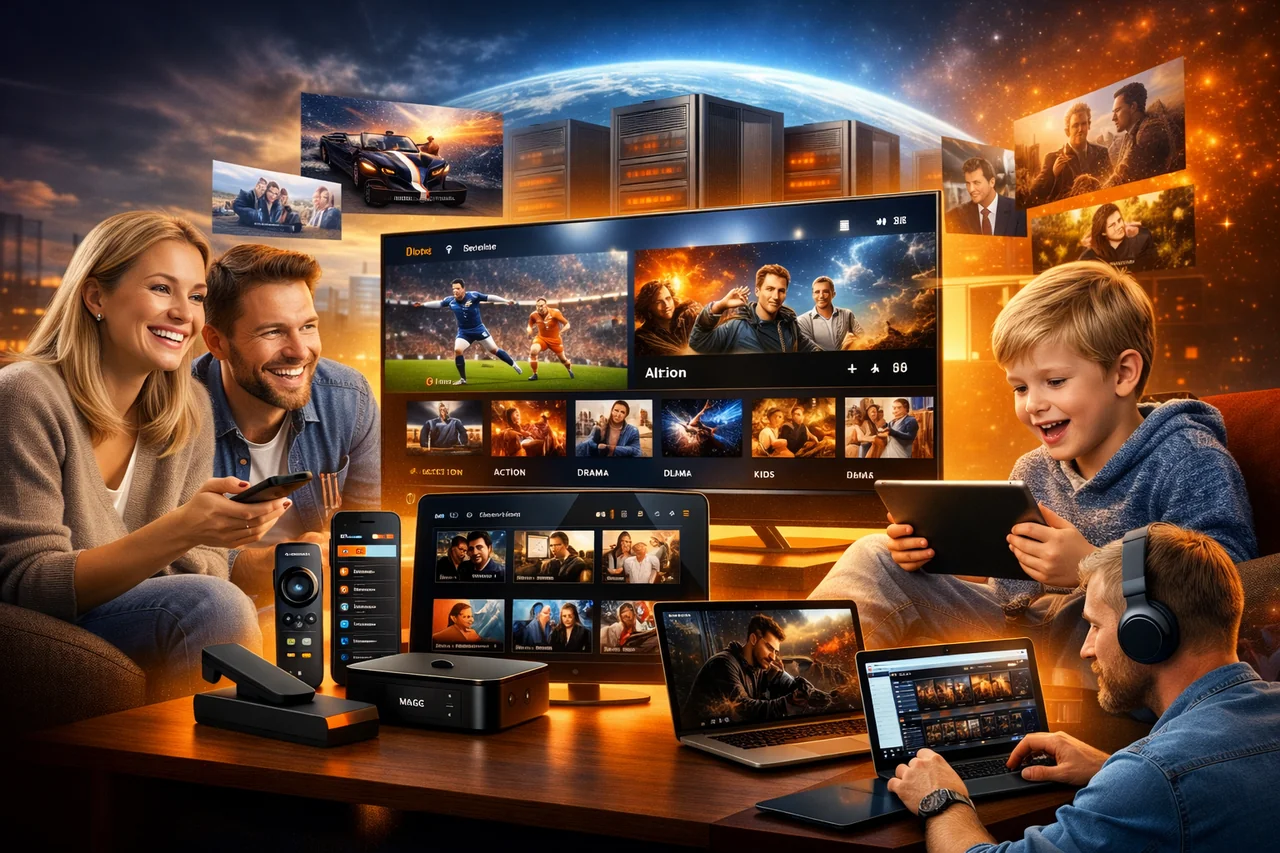
The cost of an effective IPTV player device varies significantly based on brand, features, and performance. Entry-level streaming sticks like the Amazon Fire TV Stick Lite or Google Chromecast with Google TV start from approximately USD 30-50, offering good value for 1080p streaming. Mid-range options, such as the Roku Streaming Stick 4K or Xiaomi Mi Box S, typically range from USD 50-80, providing 4K capabilities and better processing power. For premium experiences, devices like the Apple TV 4K or NVIDIA Shield TV Pro can cost upwards of USD 150-200+, delivering top-tier performance, advanced gaming features, and superior codec support, including those vital for Vornic360 IPTV's 8K content. When budgeting, consider not just the device cost but also potential accessories like high-speed HDMI cables or Ethernet adapters. Vornic360 IPTV's proprietary anti-freeze and ISP anti-throttling technologies mean less reliance on expensive, high-end devices solely for buffer prevention, but a capable player will maximize the benefit of our 60 FPS streams.