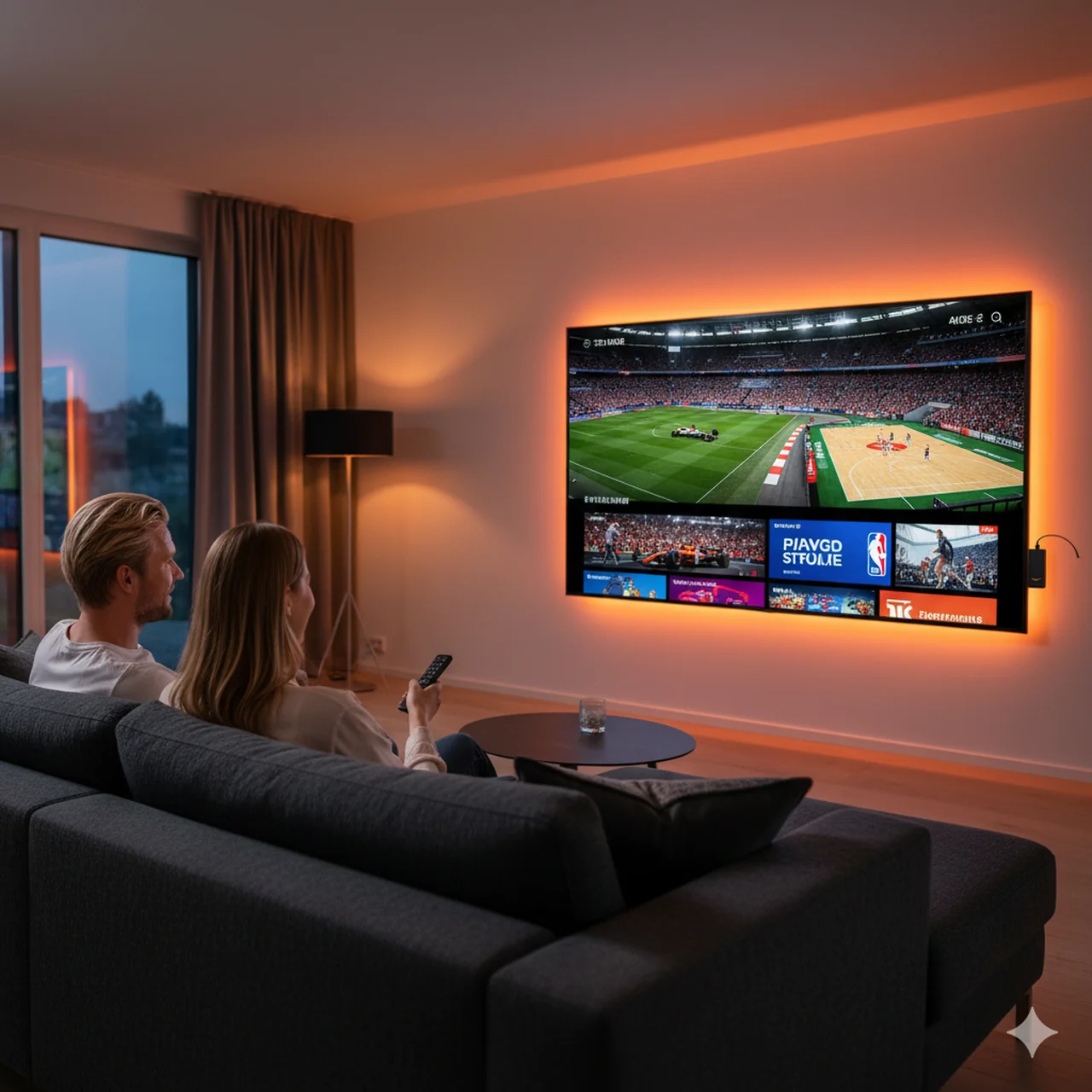
Understanding Internet Protocol Television Providers
The landscape of digital entertainment has been revolutionized by internet protocol television providers, offering a flexible and extensive alternative to traditional cable. These providers deliver live TV, video-on-demand (VOD), and interactive services over the internet, utilizing advanced protocols such as HLS and DASH for seamless streaming. Choosing the right service means evaluating content breadth, streaming quality, device compatibility, and reliable customer support. This guide demystifies the world of IPTV, helping you navigate technical specifications, regulatory considerations, and practical aspects to ensure an optimal viewing experience. We will explore what defines a leading IPTV service and how platforms like Vornic360 IPTV excel in providing a superior entertainment solution globally.
Navigating Regulatory Compliance and Technical Infrastructure for IPTV
Successfully operating as internet protocol television providers involves stringent adherence to complex regulatory frameworks and robust technical infrastructure. Globally, compliance with local broadcasting laws, intellectual property rights, and data privacy regulations like GDPR (General Data Protection Regulation) and CCPA (California Consumer Privacy Act) is paramount. Service providers must secure legitimate content licenses, ensuring adherence to copyright law, particularly for premier sports networks, cinema, and international channels. Unauthorized distribution constitutes severe legal and financial penalties under statutes such as the DMCA (Digital Millennium Copyright Act) in the US or the Copyright, Designs and Patents Act in the UK.
Technically, leading IPTV platforms leverage advanced Content Delivery Networks (CDNs) like Akamai or Cloudflare to ensure low latency and high-definition streaming globally, supporting protocols such as MPEG-TS over UDP or HLS (HTTP Live Streaming) and MPEG-DASH. Video compression codecs like H.264 (AVC) and H.265 (HEVC) are crucial for efficient bandwidth usage, delivering 4K and Full HD content without buffering. Digital Rights Management (DRM) systems are integrated to protect copyrighted material, ensuring secure content delivery. Understanding these technical and legal requirements is essential when evaluating the legitimacy and long-term viability of internet protocol television providers.

Selecting Premium Internet Protocol Television Providers: Key Criteria and Procedures
Choosing among numerous internet protocol television providers requires a systematic approach to ensure you select a service that meets your specific entertainment needs and technical requirements. Firstly, evaluate the content catalog; a top-tier provider should offer a vast selection of live international channels, including premier sports, global news, and premium cinema, alongside an extensive Video On-Demand (VOD) library with multi-language subtitle support. Secondly, assess streaming quality and reliability, looking for consistent HD and 4K resolution, minimal buffering, and robust server infrastructure provided by leading CDNs. Check for compatibility with various devices such as Smart TVs, Android boxes, iOS, PC, and Roku, ensuring a seamless user experience across your preferred platforms.
Furthermore, investigate the provider's customer support and service level agreements (SLAs), focusing on responsiveness, technical expertise, and availability (e.g., 24/7). Transparency regarding pricing tiers, acceptable use policies, and refund procedures is also crucial for compliance and user trust. Many reputable internet protocol television providers offer trial periods, which are invaluable for testing service quality, content variety, and device performance before committing to a long-term subscription. Prioritizing providers with a proven track record, established industry experience, and strong subscriber testimonials, such as Vornic360 IPTV, mitigates risks associated with unverified services.
Understanding Costs and Subscription Models for Internet Protocol Television Providers

When budgeting for entertainment, understanding the financial commitments associated with internet protocol television providers is crucial. Subscription models typically vary, from monthly to annual plans, with long-term commitments often offering significant discounts. For example, a basic monthly IPTV package in the United States might range from $15 to $30 USD, offering access to a standard set of live channels and a VOD library. Premium tiers, which include specialized content like pay-per-view events, ultra-high-definition streaming (4K), or expanded international channel lists, can range from $35 to $60+ USD per month.
Annual subscriptions can reduce the effective monthly cost significantly, potentially saving users 20-40% over 12 months compared to month-to-month billing. Some internet protocol television providers may also offer add-ons for specific content packages or additional concurrent streams, incurring extra fees. While initial setup costs are rare, ensuring your existing internet broadband speed meets minimum requirements (e.g., 25 Mbps for HD, 50 Mbps for 4K) is vital to avoid additional network upgrade expenses. Transparent pricing, as offered by Vornic360 IPTV, helps consumers make informed decisions without hidden charges.